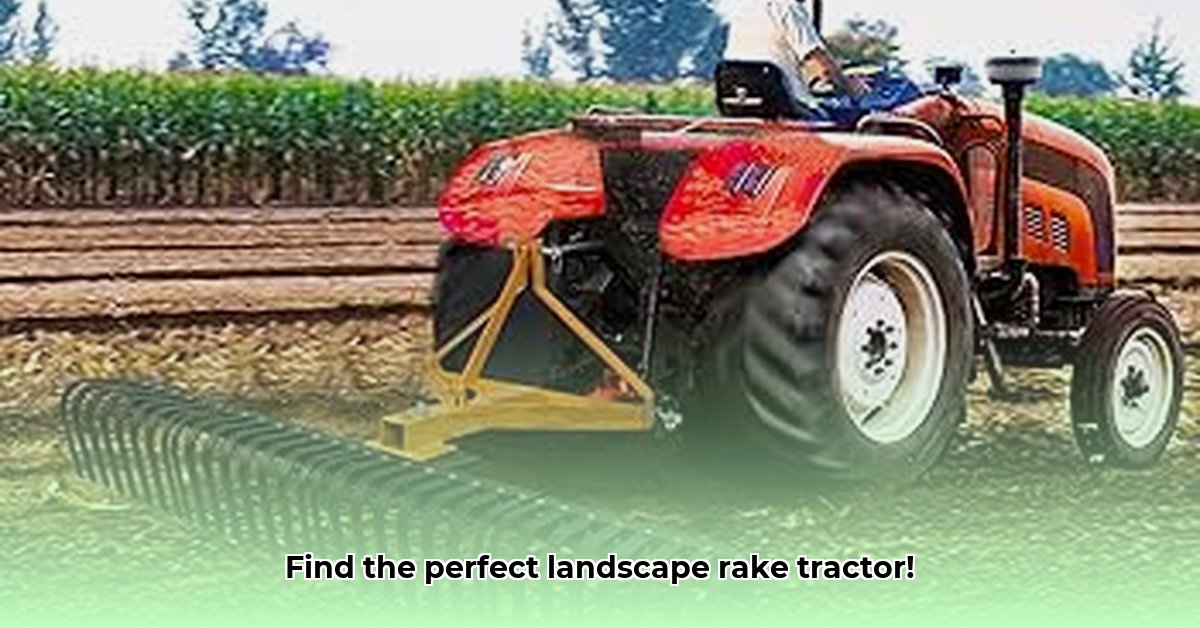
Finding the perfect landscape rake tractor can seem daunting. This comprehensive guide simplifies the process, whether you're a seasoned agricultural professional or a homeowner tackling a backyard project. We'll explore the market, key features, selection criteria, operation, maintenance, and risk mitigation to help you make an informed decision. For more detailed information, check out this helpful resource.
Understanding the Landscape Rake Tractor Market in 2024
The landscape rake tractor market offers a wide array of options, from compact residential models to heavy-duty agricultural machines. Prices vary considerably, reflecting differences in build quality, features, and brand reputation. Many factors influence pricing, including the source of components: some manufacturers prioritize durable, American-made parts, resulting in higher costs, while others leverage more readily available components for budget-friendly options. Choosing between these options is a matter of balancing your priorities—longevity, affordability, or a combination of both. What's most important to your operation?
Key Features and Specifications
Several crucial features differentiate landscape rake tractors:
Tine Design: The tines (the "teeth" of the rake) significantly impact performance. Their width, spacing, and shape determine the rake's effectiveness. Wider tines excel at moving larger debris, while closely spaced tines are better for fine grading and leveling. Curved tines provide more aggressive raking action, ideal for challenging terrain or stubborn clumps. Consider the material you'll be working with (rocky soil, leaves, etc.) when making your selection.
Gauge Wheels (Adjustable Wheels): These wheels control the depth of the rake's action, essential for consistent grading and creating a level surface. However, in rough terrain, they can sometimes hinder debris removal – a trade-off between precise leveling and efficient clearing.
Hitch System (Three-Point Hitch): Almost all landscape rakes use a three-point hitch system for easy attachment to tractors. Verify compatibility with your tractor before purchasing—a crucial step for safe and efficient operation.
Construction Materials (Steel Construction): Durability is paramount. Most models feature heavy-duty steel construction, but the specific type of steel and build quality affect weight, cost, and longevity. Heavier steel means greater durability but also higher cost and potentially more strain on your tractor.
Additional Features: Consider options such as reversible tine design (for quick direction changes) and adjustable working width to optimize efficiency.
Choosing Your Ideal Landscape Rake Tractor: A Step-by-Step Guide
Selecting the right rake involves a methodical approach:
Scale of Operation: Residential projects need smaller, lighter-duty machines compared to large-scale agricultural operations.
Tractor Compatibility: Ensure the rake's weight and capacity are within your tractor's capabilities. Overloading is dangerous and can cause damage or injury.
Budget: Rakes vary greatly in price. Determine your budget upfront, factoring in potential maintenance costs throughout the rake’s lifespan.
Terrain: Assess the terrain. Rocky or uneven ground demands a more robust machine capable of withstanding increased stress.
Soil Type: Clay soils require strong tines, while sandy soils need finer ones. Rocky soils necessitate a rock rake. This is often overlooked but crucial for choosing tines, working width, and overall durability.
Here's a quick comparison for residential vs agricultural use:
| Feature | Residential Use | Agricultural Use |
|---|---|---|
| Rake Size | Smaller, lighter-duty | Larger, heavier-duty |
| Tine Design | Finer grading tines | Heavy-duty, debris-removal tines |
| Gauge Wheels | Often preferred | May be less critical |
| Budget | Generally lower | Generally higher |
| Terrain Requirements | Less demanding | More robust build needed |
Operating and Maintaining Your Landscape Rake Tractor
Safe and effective operation combined with regular maintenance prolongs your investment.
Step 1: Safe Attachment: Follow the manufacturer's instructions precisely when attaching the rake to your tractor's three-point hitch.
Step 2: Safe Operation: Start at a low speed, gradually increasing as you gain experience. Avoid overloading; always be aware of your surroundings.
Step 3: Regular Maintenance: Regularly inspect for wear and tear; lubricate moving parts; replace worn components promptly. Preventative maintenance is key to extended lifespan and reduced risk of failure.
Risk Assessment and Mitigation
Although generally safe, potential risks exist:
| Risk Category | Likelihood | Impact | Mitigation Strategy |
|---|---|---|---|
| Material Failure | Low | Medium | Regular inspections, preventative maintenance |
| Operational Failure | Low | Low | Proper training, adherence to operating instructions |
| Attachment Failure | Low | Medium | Proper hitch alignment, regular inspection of hitch components |
| Supply Chain Disruption | Medium | Medium | Diversify suppliers, build strong supplier relationships |
Conclusion
Choosing and maintaining the right landscape rake tractor is vital for efficiency and safety. By carefully considering the factors outlined above, you can select the ideal machine for your specific needs and ensure years of reliable performance. Remember, proper maintenance is crucial for maximizing lifespan and minimizing risk.